
Table of Contents
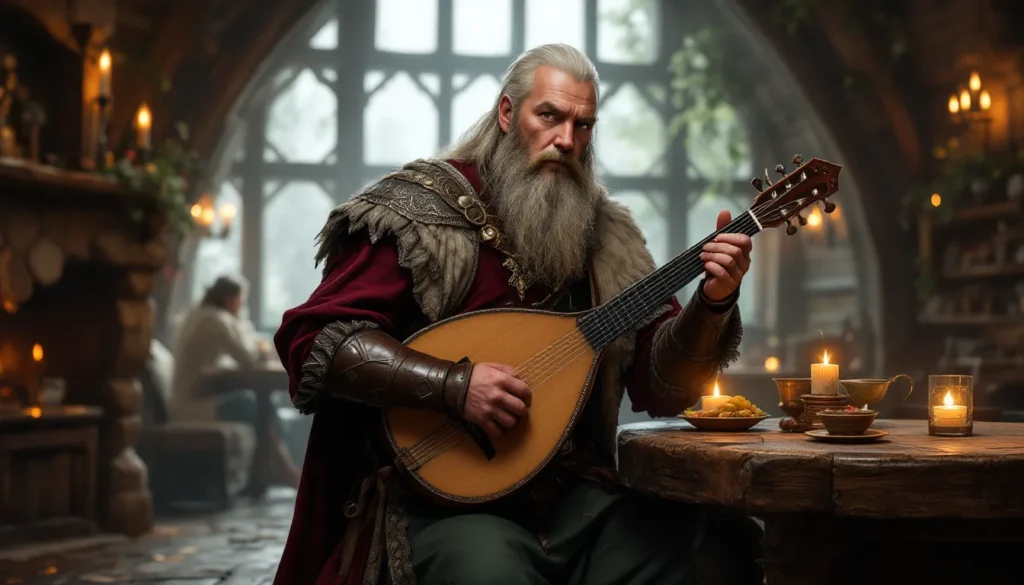
ToggleMost Dragonborn spend their time shouting enemies off cliffs or hoarding cheese wheels, but some prefer a quieter path, one that involves strings, melodies, and the occasional tavern performance. The lute in Skyrim isn’t a weapon that’ll save you from a dragon attack, but it’s one of those subtle details that makes Bethesda’s world feel alive. Whether you’re crafting an immersive bard character, adding atmosphere to your roleplaying sessions, or just curious about what this instrument actually does in-game, the lute has more depth than you might expect.
This guide covers everything from tracking down your first lute to enhancing your musical experience with mods. You’ll learn the exact locations, mechanics, roleplay strategies, and troubleshooting tips that turn this overlooked item into a centerpiece of your playthrough. No filler, no fluff, just the details you need to become Skyrim’s next legendary bard.
Key Takeaways
- The Skyrim lute is a miscellaneous item with no mechanical gameplay function in vanilla, but it serves as an immersive roleplay prop with an equipped animation that displays your character in a playing stance.
- You can obtain a lute for free at the Bards College in Solitude or from various tavern locations throughout Skyrim, or instantly spawn one on PC using the console command ‘player.additem 0010C011 1’.
- Mods like Become a Bard transform the lute into a functional instrument with interactive playing mechanics, NPC reactions, and quest integration for earning gold through performances.
- Building an effective bard character requires blending Speech, Illusion, and Restoration skills while avoiding heavy combat-focused abilities to maintain thematic consistency with the performer fantasy.
- The lute holds cultural significance in Skyrim’s lore as a symbol of Nord bardic tradition and oral history preservation, mirroring real-world medieval societies where bards served as historians and entertainers.
- Store lutes in player-owned homes to prevent despawning, and troubleshoot animation or mod conflicts by checking your load order and ensuring SKSE is properly installed for enhanced mods.
What Is the Lute in Skyrim?
The lute is a misc item in The Elder Scrolls V: Skyrim introduced in the base game. It’s a stringed instrument modeled after real-world medieval lutes, and you’ll typically spot it in the hands of bards performing in taverns or at the Bards College in Solitude. Unlike weapons or crafting materials, the lute serves no mechanical gameplay purpose in vanilla Skyrim, it doesn’t boost stats, trigger quests, or function as a usable instrument for the player.
In technical terms, the lute uses the item ID 0010C011 and weighs 3 units with a base value of 25 gold. When picked up, it goes straight into your misc inventory category. You can drop it, display it in your home, or carry it around for roleplaying purposes, but Bethesda didn’t program player-usable instrument mechanics into the vanilla game. That said, the lute does have an equipped animation, if you equip it like a weapon, your character holds it in a playing stance, though no sound plays and no actual performance occurs.
The lute’s real value lies in immersion and roleplay. For players building bard characters or enhancing their experience with mods, it becomes a key prop. The vanilla limitations are exactly why the modding community stepped in to create functional music systems, which we’ll cover later in this guide.
How to Obtain the Lute in Skyrim
Finding the Lute at the Bards College
The easiest and most thematic spot to grab a lute is the Bards College in Solitude. Head to the second floor of the college building, and you’ll find multiple lutes scattered on tables, shelves, and near practice areas. These are free to take, no stealing required, and respawn over time if you need extras for displaying in multiple homes.
The Bards College is located in the northwest section of Solitude, near the main gate. If you’re following the main quest or visiting Solitude for political reasons, it’s worth a quick detour. The college also plays a role in Skyrim’s cultural history, and picking up a lute here feels more intentional than looting one from a random location.
Alternative Lute Locations Throughout Skyrim
Lutes aren’t exclusive to the Bards College. You’ll find them in several taverns, inns, and residential areas:
- Candlehearth Hall (Windhelm): One lute near the bard’s performance area on the main floor.
- The Bannered Mare (Whiterun): Look for a lute on the second floor near the bedrooms.
- Vilemyr Inn (Ivarstead): A lute sits near the fireplace, often close to where the bard performs.
- Dead Man’s Drink (Falkreath): Another tavern spawn, usually on a shelf or table.
- Nightgate Inn: Less frequented, but a lute spawns here as well.
Some player homes, particularly Proudspire Manor in Solitude, also have lute spawns. If you’re collecting instruments for display, these locations give you plenty of options without needing console commands or cheats.
Using Console Commands to Spawn a Lute
PC players can bypass exploration entirely and spawn a lute directly into their inventory using the console. Press the tilde key (~) to open the console, then type:
player.additem 0010C011 1
This adds one lute to your inventory instantly. If you want multiple lutes for decorating purposes, replace the 1 with but many you need. Console commands don’t disable achievements if you’re using the vanilla game, but keep in mind that some Script Extender-based mods may change this behavior.
For console players on PlayStation or Xbox, console commands aren’t an option, you’ll need to rely on in-game locations or wait for lutes to respawn at known spots.
How the Lute Works: Gameplay Mechanics Explained
Playing the Lute Animation
When you equip the lute from your inventory (same way you’d equip a sword or spell), your character shifts into a holding animation. The Dragonborn holds the lute across their chest in a playing posture, left hand on the neck and right hand positioned as if strumming. It looks great for screenshots and roleplay moments, but that’s where the vanilla functionality ends.
No music plays. No buff applies. No NPCs react differently. The animation is purely cosmetic, a leftover of Bethesda’s attention to world-building detail without full mechanical implementation. If you’re hoping to serenade a follower or earn gold from tavern performances in vanilla Skyrim, you’re out of luck, those features require mods.
That said, the animation does work in third-person view, making it useful for creating cinematic moments with screenshot tools or recording software. Some players pair it with custom gameplay styles to emphasize their character’s non-combat identity.
Lute vs. Other Instruments in Skyrim
The lute isn’t the only instrument in Skyrim’s world. You’ll also encounter:
- Drums: Found in similar locations, also equippable with an animation.
- Flutes: Smaller, lighter, and equally non-functional in vanilla.
Comparison Table
| Instrument | Item ID | Weight | Base Value | Animation |
|---|---|---|---|---|
| Lute | 0010C011 | 3 | 25 gold | Yes |
| Drum | 0010C012 | 8 | 25 gold | Yes |
| Flute | 0010C013 | 0.5 | 5 gold | Yes |
The lute sits in the middle in terms of weight and value. Flutes are easier to carry if you’re min-maxing inventory space, but the lute has more visual presence and feels more “bardic” for most roleplayers. Drums are bulkier and harder to justify carrying unless you’re specifically building around them.
None of these instruments function beyond animations in vanilla Skyrim. The real depth comes from modding, which transforms these props into playable, interactive systems.
Best Mods to Enhance Your Lute Experience
Playable Instruments Mods
If you want to actually play the lute, not just hold it, mods are your only option. Become a Bard (available on Nexus Mods) is the go-to solution for functional instruments. It adds:
- Interactive playing mechanics: Press a hotkey to strum a melody from a selection of in-game songs.
- NPC reactions: Villagers, guards, and followers respond to your performances, sometimes tossing gold your way.
- Quest integration: Earn gold by performing in taverns or at events.
This mod works with Special Edition and Anniversary Edition (as of patch 1.6.640). Installation requires SKSE (Skyrim Script Extender), so console players are locked out unless they’re using a modded platform workaround.
Another solid option is Instrumental Music Expanded, which broadens the variety of songs you can perform and ties instrument use to Speech skill progression. It’s more mechanics-heavy and appeals to players who want their bard build to feel distinct from a standard playthrough.
Immersive Music and Bard Overhauls
Immersive Sounds Compendium doesn’t change how instruments work mechanically, but it overhauls all of Skyrim’s audio, including bard performances. Lute music becomes richer and more varied, making the Bards College and taverns feel more alive. Pair this with Interesting NPCs for additional bard characters and unique musical interactions.
For a deep jump into bard roleplay, Skyrim’s Got Talent adds a performance minigame. You choose instruments, songs, and venues, then execute timed inputs to succeed. Higher success rates earn better rewards and reputation gains. It’s more arcade-like than pure immersion, but it’s fun if you want your lute to feel like a gameplay system rather than just a prop.
Audio Overhaul for Skyrim 2 is another staple. It doesn’t directly affect lutes, but it enhances environmental sound design, making your performances feel more integrated into Skyrim’s world.
Visual and Audio Enhancement Mods
If you’re after aesthetics rather than mechanics, consider:
- High Poly Project: Improves 3D models for misc items, including the lute. The texture work is sharper, and the geometry looks less blocky.
- Forgotten Retex Project: Retextures instruments with 2K or 4K options, depending on your GPU.
- Embers XD: Enhances lighting in taverns where bards perform, making your lute sessions more atmospheric.
These mods don’t change gameplay but elevate the visual and auditory experience. They’re especially useful for screenshot enthusiasts or players recording Let’s Plays with immersive commentary on gaming culture.
Roleplaying as a Bard with the Lute
Creating a Bard Character Build
Building a bard in Skyrim requires creativity since there’s no “Bard” class in vanilla. The most effective approach blends Speech, Illusion, and light combat skills. Here’s a sample stat distribution:
- Primary Skills: Speech (for persuasion and roleplay), Illusion (for crowd control and charm), Restoration (for support).
- Secondary Skills: One-handed (for a dagger or sword when things go south), Light Armor (fits the traveling performer aesthetic).
- Avoid: Heavy Armor, Two-Handed, Destruction (these clash with the bard fantasy).
Race recommendations: Breton for magic resistance and roleplay depth, or Nord for thematic fit with Skyrim’s bardic tradition. Imperials work too, thanks to their Voice of the Emperor power synergizing with Speech.
Standing Stone: The Lover Stone early game for balanced skill growth, or the Lord Stone later if you need survivability. Some players choose stones that enhance combat resilience to compensate for light armor builds.
Playstyle tips: Avoid direct combat. Use Illusion spells like Calm, Fury, and Invisibility to manipulate encounters. Invest in Speech perks like Bribery and Persuasion to talk your way out of trouble. Carry a lute at all times and equip it in safe zones for immersion.
The Bards College Questline and the Lute’s Role
The Bards College questline begins by speaking to Viarmo in Solitude. The main quest, Tending the Flames, involves recovering King Olaf’s verse from Dead Men’s Respite. It’s a short dungeon crawl with draugr and a mini-boss, but the payoff is joining the college and unlocking additional radiant quests.
Once you’re a member, the college offers radiant quests like retrieving instruments, delivering messages, or recovering lost compositions. These don’t directly involve the lute as a quest item, but they fit the bard roleplay perfectly. Completing the college questline doesn’t grant unique perks or shouts (beyond a single word of power in Dead Men’s Respite), but it’s essential for immersion.
Carrying a lute during these quests, even if it’s just in your inventory, reinforces the character fantasy. Some players set rules like “must perform in every tavern visited” or “can only use Illusion magic and Speech to resolve conflicts.”
Immersive Bard Roleplay Tips and Strategies
Here’s how to take bard roleplay to the next level:
- Tavern hopping: Visit every inn in Skyrim. Equip your lute, take screenshots, and imagine your character earning room and board through performances.
- Follower choice: Pick followers like Sven (aspiring bard) or Lydia (loyal audience). Avoid combat-focused followers like Farkas, they break the aesthetic.
- Gold rules: Only earn money through Speech checks, selling found items, or modded performance mechanics. No dungeon looting for profit.
- Dress code: Light armor like the Bards College outfit or enchanted gear that emphasizes Magicka. Avoid anything that screams “warrior” or “mage.”
- Quest selection: Prioritize dialogue-heavy quests (Thieves Guild, Dark Brotherhood for the narrative) over combat slogs (Companions, Civil War).
Some roleplayers add house rules like “must rest in an inn every night” or “can’t fast travel, walking only.” These restrictions slow the pace but deepen immersion, especially when paired with survival mods.
The Lute’s Cultural Significance in Skyrim’s Lore
The lute isn’t just a gameplay item, it’s woven into Skyrim’s cultural fabric. Bards in Nord society hold a unique position: they’re historians, entertainers, and political commentators. The Bards College in Solitude is one of Skyrim’s oldest institutions, tracing its roots back to the First Era. Bards preserve oral traditions, including songs about legendary heroes, ancient battles, and the deeds of the Dragonborn.
In-game, you’ll hear bards perform songs like The Dragonborn Comes, Ragnar the Red, and Age of Oppression/Age of Aggression (depending on your Civil War allegiance). These aren’t random background music, they’re diegetic performances that react to world events. The lute, as the most common bardic instrument, symbolizes this tradition.
Historically, real-world medieval bards served similar roles, and Bethesda drew heavily from Norse and Celtic traditions. The lute’s presence in taverns, courts, and festivals reflects how music functioned as both entertainment and information distribution in pre-modern societies. Players interested in deeper explorations of Tamriel’s myths will find the bard’s role fascinating, they’re keepers of memory in a world where written records are scarce.
Interestingly, the Bards College questline barely scratches the surface of this lore. Most of the depth comes from books like The Real Barenziah or King Olaf’s Verse, plus environmental storytelling. The lute itself doesn’t have item-specific lore, but its ubiquity in Nordic culture speaks volumes about how Bethesda envisioned Skyrim’s society.
Troubleshooting Common Lute Issues
Lute disappears after dropping it: Misc items in Skyrim can despawn if left in non-safe containers or dropped in cells that reset. To avoid this, store your lute in a player-owned home (Breezehome, Proudspire Manor, etc.) or a safe container. Display cases and weapon racks generally won’t accept lutes, so use chests or shelves.
Animation doesn’t trigger: If equipping the lute doesn’t show the holding animation, you might have a mod conflict, especially skeleton or animation overhauls like FNIS or Nemesis. Reinstall the mod or check load order. On vanilla Skyrim, this issue is rare but can occur if the item ID is corrupted.
No sound when equipping: This is normal. Vanilla Skyrim doesn’t play music when you equip the lute. If you expected sound, you’ll need mods like Become a Bard. Double-check that the mod is installed correctly and that SKSE is running.
Can’t find lute at listed locations: If a lute isn’t spawning where expected (like the Bards College), it may have been picked up by an NPC or another player if you’re using certain AI mods. Locations respawn every 10-30 in-game days, so wait or fast-travel away and return. Alternatively, use the console command to spawn one.
Lute stuck in inventory: If you can’t drop or remove the lute, it might be flagged as a quest item by a mod. Open the console, click the lute in your inventory, and type removeitem 0010C011 1. If that doesn’t work, check your mod list for conflicting scripts.
Mod-related crashes: If installing playable instrument mods causes CTDs (crash to desktop), ensure your load order is correct and that SKSE is up to date. Community guides on modding best practices often address these issues in detail.
Conclusion
The lute might not deal damage or unlock hidden questlines, but it’s one of those touches that makes Skyrim feel like a living, breathing world. From the Bards College halls to modded performances in crowded taverns, this instrument gives players a chance to explore Tamriel beyond the endless cycle of dungeon diving and dragon slaying. Whether you’re grabbing one for immersion, modding it into a full gameplay mechanic, or building a bard from the ground up, the lute proves that not every piece of gear needs stats to matter.
Now go forth, equip that lute, and show Skyrim what a real bard looks like, preferably somewhere that doesn’t involve a Frostbite Spider ambush.